
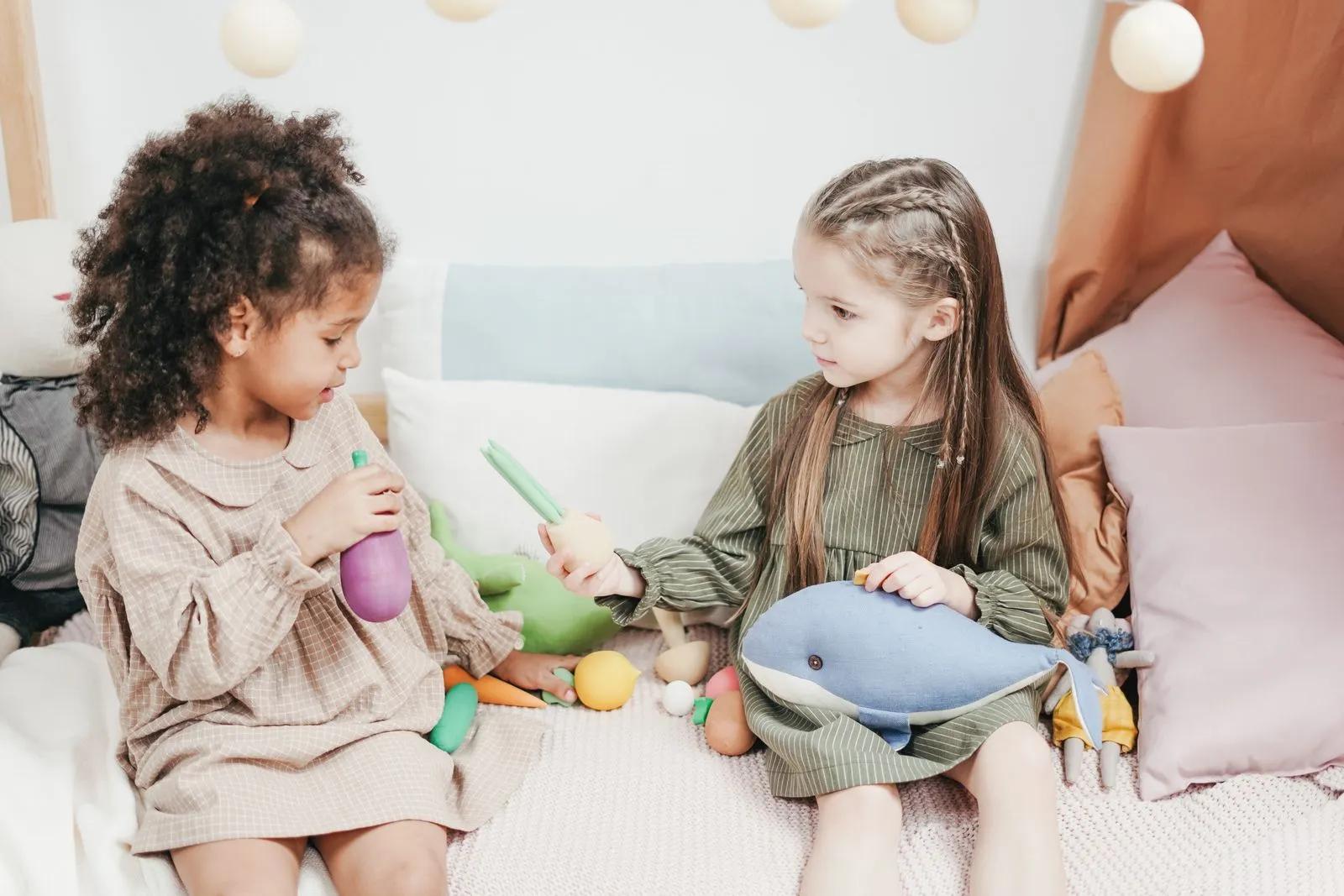
Toddlers are learning how the world works, but they cannot always understand what comes next. A familiar daily rhythm makes the day easier to follow. When meals, rest, play, and transitions happen in a predictable order, children can feel more secure and focus on exploring. Routines also give toddlers regular chances to practice useful skills, from washing hands to putting toys away. They do not need to be rigid; consistency and a caring response matter most.
Predictability Builds Security
A routine helps a toddler anticipate what will happen next. For example, washing hands before lunch or reading a short book before nap creates familiar cues. These repeated steps can make daily changes feel less surprising and help children settle into activities with greater confidence.
Keep routines simple and use the same words or signals when you can. A toddler may understand “First clean up, then snack” before they can follow a longer explanation. When plans need to change, calmly name what is different and offer a clear next step.
Meals Offer Everyday Practice
Regular meal and snack times give toddlers a dependable chance to eat and connect with caregivers. A calm, familiar setup can make it easier for children to focus on food and learn simple mealtime habits, such as sitting at the table, using a cup, or trying a spoon.
Build independence into the routine without expecting perfection. Invite your toddler to choose between two appropriate foods, carry a napkin, or help put a dish in a safe spot. Give them time to try, and keep your guidance patient and matter-of-fact.
Rest and Play Have Their Place
A familiar wind-down sequence can help a toddler shift from active play toward rest. You might dim the room, offer a quiet book, and use the same gentle phrase before nap. Children vary in how much rest they need, so notice signs of tiredness and coordinate routines with caregivers.
Play also benefits from a steady place in the day. During free play, toddlers can explore movement, language, and problem-solving at their own pace. Simple activities such as stacking blocks or pretending with familiar toys let them repeat new skills. Repetition is part of learning, not a reason to rush them onward.
Make Transitions Easier
Stopping one activity and starting another can be hard for toddlers, especially when they are absorbed in play. Give a brief warning before a change, then use a consistent cue, such as a song or a picture card. A small amount of preparation helps children understand that the transition is coming.
Offer a manageable role in the changeover. Ask your toddler to place one toy in a bin or walk with you to the sink. If they resist, acknowledge the feeling and repeat the next step calmly. With practice, transitions become opportunities to learn cooperation and follow simple directions.
A steady routine gives toddlers a reassuring framework for eating, resting, playing, and moving between activities. Keep the sequence clear, allow room for individual needs, and invite your child to take small steps toward independence. If you are looking for a toddler program in Fort Lauderdale, Sunlit Steps can discuss how its daily rhythm supports young learners.